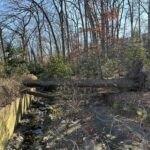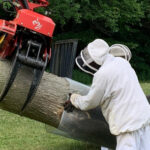

Raw land holds incredible potential. Whether you’re planning to build your dream home, expand your existing property, create pasture land, or install new landscaping, clearing the land is where transformation begins. But turning overgrown, wooded, or brush-filled property into a clean, usable space requires careful planning, the right equipment, and knowledge of local regulations.
Many Virginia property owners face this challenge: acres of trees, dense underbrush, stumps, and debris standing between vision and reality. Understanding the land clearing process helps you make informed decisions that save time, money, and frustration.
What Land Clearing Involves
Land clearing means more than just cutting down a few trees. The process removes all vegetation, debris, and obstacles from a designated area to prepare it for its intended use.
Typical land clearing removes:
- Trees of all sizes
- Stumps and root systems
- Brush, shrubs, and undergrowth
- Vines and invasive plants
- Fallen logs and dead wood
- Rocks and boulders
- Old fencing or structures
The extent of clearing depends on your project. Building a house requires complete clearing of the construction footprint and access routes. Creating a natural meadow might involve selective clearing that preserves certain trees while removing undergrowth.
Reasons for Land Clearing
Property owners pursue land clearing for numerous reasons:
Construction Projects
- New home building sites
- Commercial or industrial development
- Additions or outbuildings
- Driveways and access roads
- Utilities installation
Agricultural Use
- Pasture creation for livestock
- Crop field development
- Farm infrastructure
- Orchard or vineyard planting
Property Improvement
- Expanding usable yard space
- Creating recreational areas
- Installing pools or outdoor kitchens
- Improving property views
- Increasing property value
Safety and Maintenance
- Removing hazardous trees near structures
- Clearing fire breaks
- Eliminating pest habitats
- Addressing overgrown, neglected areas
- Managing invasive species
Land Development
- Subdivision preparation
- Creating building lots
- Installing infrastructure (roads, utilities)
- Recreational facility development
Planning Your Land Clearing Project
Successful land clearing starts with solid planning, not with chainsaws and bulldozers.
Define Your Goals
Be specific about what you want to achieve:
- Exactly which areas need clearing
- What you want to preserve (mature trees, natural features, wetlands)
- Timeline for completion
- Budget constraints
- Future use of the cleared land
Walking the property with a professional helps clarify these goals and identify challenges you might not notice on your own.
Survey and Mark Boundaries
Know exactly where your property lines are. Clearing someone else’s land, even accidentally, creates serious legal problems. If you don’t have a recent survey, hiring a surveyor before clearing begins is money well spent.
Mark trees and areas you want to preserve with bright flagging tape. Clear communication prevents accidental removal of valuable features.
Check Local Regulations
Virginia counties and municipalities have different rules about land clearing:
Common regulations address:
- Erosion and sediment control requirements
- Wetland protection
- Stream buffers and setbacks
- Tree preservation ordinances
- Permits for clearing over certain acreages
- Burn permits for debris disposal
- Protected species habitats
Contact your local planning department before starting. Fines for violations can reach tens of thousands of dollars, and you may be required to replant or restore areas cleared improperly.
Consider Environmental Impact
Responsible land clearing balances your needs with environmental stewardship:
- Identify and protect wetlands
- Maintain stream buffers (usually 25-100 feet depending on location)
- Preserve habitat for wildlife when possible
- Plan for erosion control on slopes
- Protect neighboring properties from runoff
- Consider preserving mature specimen trees
Evaluate Site Conditions
Different sites present different challenges:
Flat, dry land: Easiest and least expensive to clear
Slopes and hills: Require specialized equipment and erosion control measures
Wet or marshy areas: May need drainage solutions or seasonal timing restrictions
Rocky terrain: Increases difficulty and cost
Dense woods: Requires more time and debris disposal capacity
Overgrown brush: May harbor wildlife or invasive species requiring special handling
Land Clearing Methods
Several methods exist for land clearing. The right choice depends on your property, budget, timeline, and future plans.
Mechanical Clearing
Heavy machinery does the bulk of the work:
Bulldozers: Push over trees and vegetation, grade rough areas. Fast but disruptive to topsoil.
Excavators: Dig out stumps and roots, move debris, precise work around obstacles. Versatile for various clearing tasks.
Forestry Mulchers: Grind trees, stumps, and brush into mulch in one pass. Leaves beneficial organic matter on site. Excellent for large wooded areas.
Skid Steers: Maneuverable machines for smaller areas or areas with limited access. Handle various attachments for different tasks.
Wood Chippers: Process branches and smaller trees into chips for disposal or mulch.
Advantages of mechanical clearing:
- Fast completion
- Handles large areas efficiently
- Removes stumps and roots thoroughly
- Allows immediate use of land
- Professional results
Considerations:
- Higher upfront cost
- Requires equipment access
- Can compact soil
- May disturb more area than hand clearing
Hand Clearing
Manual cutting and removal using chainsaws and hand tools.
When hand clearing makes sense:
- Very small areas (under 1/4 acre)
- Selective clearing around features you’re preserving
- Areas with no equipment access
- Tight spaces between existing structures
- Extremely sensitive environmental areas
Advantages:
- Minimal soil disturbance
- Precise control
- Lower cost for tiny projects
- No heavy equipment needed
Considerations:
- Very slow for large areas
- Labor-intensive
- Still requires debris disposal
- Limited to smaller trees and brush
Controlled Burning
In some areas, burning cleared vegetation is allowed with proper permits.
Requirements:
- Burn permit from local fire department
- Proper weather conditions (humidity, wind)
- Cleared fire breaks
- Monitoring throughout the burn
- Notification to neighbors
Burning reduces debris volume significantly but creates smoke and requires favorable conditions. Many suburban and residential areas prohibit burning entirely.
Chemical Clearing
Herbicides kill vegetation before mechanical removal or to prevent regrowth.
Uses for chemical treatment:
- Killing invasive species before clearing
- Preventing stump sprouting
- Controlling regrowth after initial clearing
- Managing poison ivy or other problematic plants
Chemical clearing takes time (weeks to months for vegetation to die) and raises environmental concerns near waterways. Use only when necessary and according to label directions.
The Land Clearing Process Step-by-Step
Understanding the typical workflow helps you know what to expect:
1. Site Assessment and Planning
Professional evaluation of your property, identifying challenges, discussing your goals, and creating a clearing plan.
2. Permitting and Approvals
Obtaining necessary permits, notifying utility companies of work locations, and ensuring regulatory compliance.
3. Site Preparation
Marking boundaries and preservation areas, installing erosion control measures, and establishing equipment access routes.
4. Vegetation Removal
Cutting and removing trees, clearing brush and undergrowth, and processing larger trees for timber or firewood if desired.
5. Stump Removal
Grinding stumps below ground level or complete extraction with roots depending on future land use.
6. Debris Management
Hauling away debris, chipping brush, or processing material into mulch.
7. Grading and Finishing
Rough grading to establish drainage, removing rocks and roots from topsoil, and preparing the surface for its intended use.
8. Erosion Control
Installing silt fences, seeding bare areas, applying erosion control blankets on slopes, and establishing ground cover.
9. Final Inspection
Walking the cleared area, addressing any remaining issues, and obtaining final permits or approvals if required.
Stump Removal Options
Stumps present a particular challenge. Your options include:
Stump Grinding
A machine grinds the stump 6-12 inches below ground level, leaving wood chips and small roots.
Pros:
- Relatively quick
- Less invasive than extraction
- Lower cost
- Chips can be used as mulch
Cons:
- Roots remain in ground
- May sprout if not treated
- Not suitable if deep excavation is planned
- Depression may form as chips decompose
Stump Extraction
Complete removal of stump and major roots using excavators.
Pros:
- Completely removes stump
- No regrowth issues
- Better for areas needing deep excavation
- No decomposing wood underground
Cons:
- More expensive
- Leaves large holes requiring fill
- More soil disturbance
- Takes longer
Chemical Stump Removal
Applying chemicals to accelerate decomposition.
Pros:
- Low initial cost
- No heavy equipment needed
- DIY option for homeowners
Cons:
- Takes months to years
- Not reliable for all species
- Stump remains during decomposition
- Environmental concerns with chemicals
For construction sites, complete extraction usually makes the most sense. For landscaping projects, grinding often suffices.
Dealing with Cleared Debris
Vegetation removal creates massive amounts of debris. Disposal options include:
Off-Site Hauling
Professional removal to landfills or processing facilities.
Best for: Dense residential areas, projects with no burning allowed, properties without room for on-site processing.
Cost considerations: Charged by load or ton. Can become expensive for large projects with substantial debris.
On-Site Mulching
Grinding trees and brush into mulch that remains on property.
Best for: Large properties, future landscaping needs, eco-friendly approach.
Benefits: Reduces hauling costs, creates useful mulch, returns organic matter to soil, reduces erosion.
Firewood Processing
Cutting usable logs into firewood.
Best for: Properties with fireplaces or wood stoves, rural areas where firewood has value, projects involving hardwood trees.
Considerations: Requires storage space, needs seasoning time (6-12 months), only practical for limited quantities.
Timber Salvage
Selling valuable logs to sawmills or lumber companies.
Best for: Properties with valuable species (walnut, cherry, oak), large diameter trees suitable for lumber, accessible sites where log trucks can operate.
Reality check: Most residential land clearing doesn’t yield valuable timber. Trees need to be large, straight, and free of defects. Transportation costs often exceed timber value.
Controlled Burning
Burning debris piles where permitted.
Requirements: Permits, proper conditions, safety precautions, and monitoring.
Best for: Rural properties, areas where burning is traditional, reducing debris volume cheaply.
Erosion Control After Clearing
Bare soil erodes quickly, especially in Virginia’s climate with frequent heavy rains. Protecting your cleared land prevents problems:
Immediate Measures
- Silt fences along downslope boundaries
- Straw bales or fiber rolls in drainage areas
- Mulch or straw on exposed soil
- Redirecting water flow away from vulnerable areas
Temporary Stabilization
If you’re not ready for final landscaping or construction:
- Seed with annual rye grass for quick cover
- Apply erosion control blankets on slopes
- Maintain silt fences and sediment traps
- Monitor after rainstorms and repair damage
Permanent Stabilization
When ready for final site work:
- Establish permanent grass or ground cover
- Install proper drainage systems
- Grade for positive drainage
- Plant trees and shrubs appropriate for erosion control
- Consider terracing on steep slopes
Erosion violations bring fines and remediation orders. Prevention costs far less than fixing erosion damage.
Timing Your Land Clearing Project
Seasons affect land clearing success:
Late Fall to Early Spring (November – March)
Advantages:
- Dormant vegetation easier to handle
- Frozen or firm ground supports heavy equipment better
- Less impact on nesting wildlife
- Lower risk of spreading invasive plants
- Cooler weather for crews
Challenges:
- Wet conditions can delay work
- Shorter daylight hours
- Some permits harder to obtain in winter
- Erosion control more difficult on frozen ground
Spring (April – May)
Advantages:
- Good weather for working
- Longer days
- Easier erosion control establishment
- Ground firm but workable
Challenges:
- Nesting bird season (some restrictions apply)
- Active growing season means regrowth starts quickly
- Busier season for contractors
- Spring rains can cause delays
Summer (June – August)
Advantages:
- Dry ground supports equipment
- Maximum daylight hours
- Fast seeding and revegetation
Challenges:
- Hot conditions slow work
- Active growing season
- Dust control needed
- Wildlife activity peak
- Highest demand for clearing services
Early Fall (September – October)
Advantages:
- Excellent weather
- Ground usually dry
- Good time for seeding cool-season grasses
- Lower contractor demand than summer
Challenges:
- Shorter window before winter
- Leaves can complicate brush clearing
Best overall timing: Late fall through early spring for most Virginia land clearing projects, especially large wooded areas. Plan construction or landscaping to begin in spring after winter clearing.
Costs and Budget Considerations
Land clearing costs vary dramatically based on numerous factors:
Cost Factors
Property size: Larger acreage reduces per-acre cost but increases total expense.
Vegetation density: Dense woods cost more than light brush.
Tree size: Larger trees require more time and equipment.
Terrain: Flat land costs less than steep or rocky terrain.
Access: Easy equipment access reduces cost.
Debris disposal: On-site mulching costs less than hauling away.
Stump removal method: Grinding costs less than extraction.
Site conditions: Wet areas, environmental sensitivities, or difficult soil increase costs.
Permit requirements: Complex permitting adds expense.
Timeline: Rush projects cost more.
Rough Cost Estimates
Light brush clearing: $500-$2,000 per acre
Moderate clearing (small trees, brush): $2,000-$4,500 per acre
Heavy wooded clearing: $4,000-$8,000+ per acre
These are general ranges. Your project could fall outside these depending on specific conditions.
Getting Accurate Quotes
Request detailed written estimates that specify:
- Exact area to be cleared
- What’s included (cutting, stump removal, debris disposal)
- Timeline for completion
- Payment schedule
- Permit responsibility
- Erosion control measures
- Cleanup and grading included
- Insurance and licensing verification
Compare multiple quotes, but don’t choose based solely on lowest price. Experience, equipment, and reputation matter significantly in land clearing.
Selecting a Land Clearing Contractor
The right tree service contractor makes your project smooth; the wrong one creates headaches.
What to Look For
Proper licensing and insurance: Verify general liability and workers’ compensation coverage. Work this size involves serious risks.
Appropriate equipment: Contractors should have machinery suitable for your project size and terrain.
Local experience: Familiarity with Virginia regulations, soil conditions, and typical challenges.
References: Ask for and actually contact previous clients with similar projects.
Clear communication: Responsive, professional communication before the job indicates how they’ll perform during it.
Written contracts: Everything in writing protects both parties.
Environmental awareness: Knowledge of erosion control, wetland protection, and responsible practices.
Red Flags
- No insurance or reluctance to provide proof
- Unwilling to obtain necessary permits
- No written contract or vague terms
- Pressure to start immediately without planning
- Significantly lower bids than competitors (often indicates shortcuts)
- No local references
- Poor communication or professionalism
After Clearing: Next Steps
Your cleared land is ready for its new purpose, but some follow-up ensures long-term success:
Soil Testing
Test soil before planting lawns, gardens, or landscaping. Clearing may have exposed different soil layers or pH levels.
Drainage Assessment
Watch how water moves across your cleared land after heavy rains. Address drainage issues before construction or landscaping.
Regrowth Management
Some stumps and roots sprout new growth. Address regrowth promptly:
- Apply stump treatment to prevent sprouting
- Pull or cut new sprouts before they establish
- Monitor for several months after clearing
Invasive Species Control
Clearing disturbs soil and often promotes invasive plant growth. Stay vigilant for:
- Japanese honeysuckle
- Multiflora rose
- Autumn olive
- Tree of heaven
- English ivy
- Mile-a-minute vine
Early control prevents these from taking over your newly cleared land.
Wildlife Adjustment
Clearing changes wildlife patterns. Deer, rabbits, and other animals may browse new plantings more heavily. Plan appropriate protection for vulnerable plants.
Environmental Considerations
Responsible land clearing balances your needs with environmental protection:
Protecting Water Quality
- Maintain vegetated buffers along streams and ponds
- Install and maintain erosion controls
- Avoid clearing during heavy rain
- Keep equipment out of wetlands
- Prevent fuel or chemical spills
Preserving Wildlife Habitat
- Leave some dead standing trees (snags) if safe
- Preserve brush piles in undeveloped areas for small wildlife
- Avoid clearing during nesting season when possible
- Create transition zones between cleared and wooded areas
- Consider wildlife needs in final landscaping
Soil Health
- Minimize compaction from heavy equipment
- Preserve topsoil for reuse
- Add organic matter before planting
- Avoid clearing when ground is saturated
- Test and amend soil as needed
Carbon Considerations
Trees store carbon, and clearing releases it. If environmental impact concerns you:
- Clear only what’s necessary for your project
- Preserve mature trees where possible
- Replant cleared areas promptly
- Use cleared wood for lumber or long-lasting products when possible
- Mulch debris on-site to return carbon to soil
Professional Land Clearing Services in Virginia
Transforming raw or overgrown land into usable space requires more than equipment—it demands experience, planning, and attention to environmental responsibility. Whether you’re preparing land for your new home, expanding agricultural operations, or creating the landscape you’ve envisioned, professional land clearing services make the process efficient and compliant with local regulations.
United Tree Care provides land clearing services throughout Virginia for residential, commercial, and agricultural properties. Our experienced crews handle projects of all sizes, from small lot clearing to multi-acre land preparation. We own and operate the specialized equipment needed for efficient clearing while protecting your property and the surrounding environment.
We work with you to develop a clearing plan that meets your specific goals, respects your budget, and satisfies local permit requirements. From initial site assessment through final grading and erosion control, we manage every aspect of your land clearing project.
Ready to prepare your property for its next chapter? Contact United Tree Care today for a site evaluation and detailed clearing proposal.