
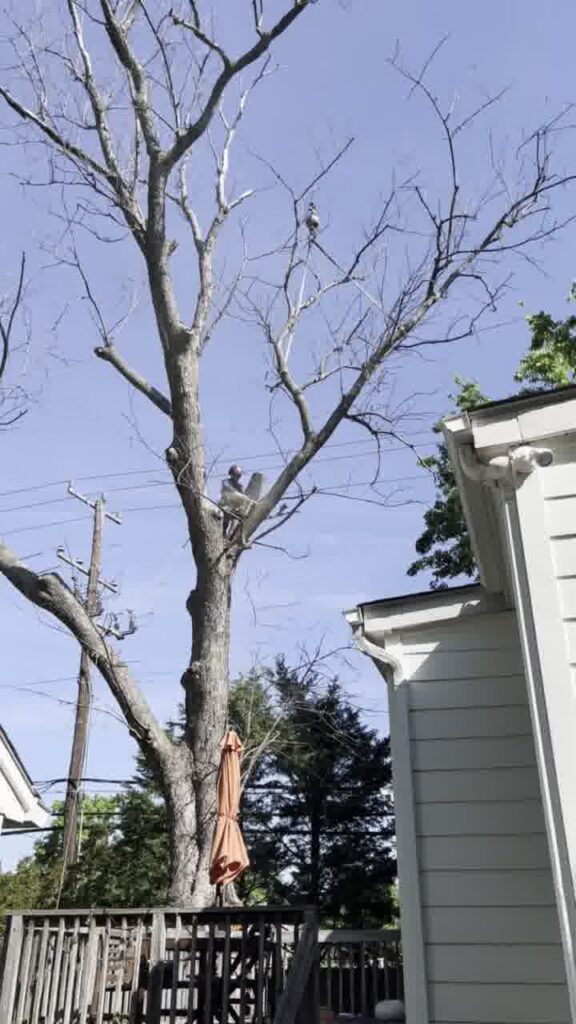
Northern Virginia’s humid climate and diverse tree species make Manassas properties particularly susceptible to various tree diseases. From the ancient oaks lining Historic Old Town to the modern subdivisions of Wellington and Georgetown South, tree diseases threaten the health and beauty of Prince William County’s urban forest.
Understanding common tree diseases and how preventive trimming can protect your trees saves homeowners thousands of dollars in tree replacement costs while maintaining property values. Disease prevention through proper tree care costs far less than emergency tree removal after diseases have caused structural damage or death.
Most Common Tree Diseases Affecting Manassas Properties
Oak Wilt: The Silent Killer of Northern Virginia Oaks
Oak wilt represents one of the most destructive diseases affecting the mature oak trees that define many Manassas neighborhoods. This fungal disease spreads through root grafts between adjacent oak trees and through sap-feeding beetles attracted to fresh wounds during the growing season.
Red oak species, including Northern Red Oak and Pin Oak commonly found in Manassas landscapes, show rapid decline once infected. Leaves develop bronze or brown discoloration starting at the margins, wilting quickly during summer months. White oak species like Chestnut Oak resist the disease better but can still become infected through root connections.
The disease spreads fastest during spring and early summer when beetles are most active and sap flow is highest. Oak trees stressed by drought, construction damage, or previous injuries become more susceptible to infection through beetle transmission.
Prevention requires avoiding pruning during high-risk periods from April through July and immediately treating any wounds with protective paint. Professional arborists understand timing restrictions and can schedule pruning during safer winter months when beetle activity is minimal.
Anthracnose: The Widespread Fungal Problem
Anthracnose affects numerous tree species throughout Manassas, particularly during wet spring weather conditions common in Northern Virginia. This fungal disease thrives in cool, moist conditions and attacks new leaves and shoots as they emerge.
Sycamore trees suffer severely from anthracnose, developing brown leaf spots and premature defoliation that can repeat annually. Dogwood anthracnose affects the popular flowering dogwoods found throughout Prince William County neighborhoods, causing leaf spots, twig dieback, and eventual tree death if left untreated.
Oak anthracnose creates brown blotches along leaf veins and can cause significant defoliation during wet springs. While rarely fatal to oak trees, repeated infections weaken trees and make them susceptible to other stress factors and diseases.
Maple anthracnose affects various maple species, causing irregular brown patches on leaves and early leaf drop. Young trees suffer more severely than mature specimens, but repeated infections can slow growth and reduce overall tree health.
Fire Blight: Devastating Disease of Ornamental Trees
Fire blight attacks members of the rose family, including popular ornamental trees like flowering pear, apple, and hawthorn commonly planted in Manassas landscapes. This bacterial disease spreads rapidly during warm, humid weather and can kill young trees within a single growing season.
Infected branches develop a characteristic blackened, burnt appearance that gives the disease its name. Blossoms turn brown and remain attached to branches, while shoots develop shepherd’s crook bends at their tips. The bacteria spreads through rain splash, insects, and pruning tools contaminated with infected material.
Bradford pears, widely planted in Manassas subdivisions during the 1980s and 1990s, are particularly susceptible to fire blight. The disease often provides the final blow to these structurally weak ornamental trees already prone to storm damage.
Ornamental crabapples face similar fire blight pressures, with some varieties showing greater resistance than others. Professional selection of resistant varieties and proper pruning techniques can minimize fire blight problems in new landscape installations.
Powdery Mildew: The Cosmetic Disease with Serious Consequences
Powdery mildew appears as white, powdery coating on leaf surfaces and affects numerous tree species throughout Manassas. While rarely fatal, this fungal disease reduces photosynthesis, weakens trees, and creates unsightly conditions that affect property aesthetics.
Dogwood powdery mildew has become increasingly common on flowering dogwoods, particularly those planted in shaded, poorly ventilated locations. The disease covers leaves with white fungal growth and can cause premature defoliation during summer months.
Oak powdery mildew affects various oak species, particularly during humid summer conditions. Young trees and lower branches in shaded areas show the most severe infections, with white coating covering entire leaf surfaces.
Crape myrtle powdery mildew creates cosmetic problems on these popular Southern ornamental trees. While the disease rarely kills mature trees, it reduces flower production and overall plant vigor when infections are severe.
How Professional Trimming Prevents Disease Spread
Strategic Removal of Infected Material
Professional tree trimming removes diseased branches before infections spread to healthy parts of the tree. Certified arborists can identify early disease symptoms that homeowners might miss, allowing for prompt intervention before diseases become established throughout the tree canopy.
Proper pruning cuts remove infected material while preserving healthy wood. Professional arborists understand where to make cuts to prevent disease spread and promote healing. Improper cuts can actually increase disease susceptibility by creating wounds that don’t heal properly.
Timing of disease removal varies by tree species and disease type. Some diseases require immediate removal regardless of season, while others should be addressed only during specific times of year to minimize spread risk or avoid attracting disease vectors.
Sanitation between cuts prevents spreading diseases from infected to healthy branches. Professional arborists disinfect tools between cuts when working with diseased trees and follow specific protocols for disposing of infected material safely.
Improving Air Circulation Through Selective Pruning
Many tree diseases thrive in humid, stagnant air conditions common in dense tree canopies. Strategic pruning opens tree canopies to improve air movement, reducing the humid conditions that promote fungal disease development.
Selective branch removal eliminates crossing or rubbing branches that create wounds and trap moisture. These areas often become infection sites where diseases gain entry into otherwise healthy trees.
Crown thinning reduces branch density without destroying the tree’s natural shape. This technique allows air to move through the canopy more effectively while maintaining the tree’s structural integrity and aesthetic appeal.
Professional arborists understand how much canopy can be safely removed without stressing the tree. Over-pruning can actually increase disease susceptibility by reducing the tree’s energy production and creating excessive wound areas.
Eliminating Stress Factors Through Proper Pruning
Tree stress increases susceptibility to disease infection and reduces trees’ ability to fight off pathogens. Professional trimming eliminates sources of stress like broken branches, poor structure, and competing leaders that drain tree energy.
Structural pruning during young tree development creates strong branch architecture that resists storm damage and reduces future wound sites where diseases can enter. Early intervention prevents many structural problems that become expensive to correct later.
Deadwood removal eliminates branches that no longer contribute to tree health but may harbor disease organisms. Dead branches provide entry points for decay fungi and other pathogens that can spread into healthy wood.
Crown raising removes lower branches that may be infected or create poor air circulation near the ground. This technique also reduces the likelihood of lawn equipment damage that creates wounds vulnerable to disease infection.
Seasonal Disease Prevention Strategies for Manassas Trees
Spring Disease Prevention Protocol
Spring represents the most active time for disease development in Northern Virginia. Cool, wet conditions favor fungal diseases while emerging leaves and shoots provide vulnerable infection sites for various pathogens.
Early spring inspection allows detection of disease problems before they become established. Professional arborists can identify overwintering disease symptoms and plan appropriate treatment strategies before active growth begins.
Preventive fungicide applications may be recommended for high-value trees with history of disease problems. These treatments work best when applied before symptoms appear and weather conditions favor disease development.
Spring pruning restrictions apply to certain tree species susceptible to disease transmission. Oak trees should not be pruned during spring months when oak wilt spreading beetles are most active.
Summer Disease Management Approaches
Summer brings different disease pressures as heat and humidity stress trees while promoting certain fungal diseases. Powdery mildew and leaf spot diseases become more prevalent during hot, humid weather typical of Northern Virginia summers.
Watering practices affect disease development during summer months. Overhead watering late in the day can promote fungal diseases by keeping foliage wet overnight. Early morning watering allows leaves to dry quickly and reduces disease pressure.
Drought stress increases tree susceptibility to various diseases and insect problems. Professional irrigation recommendations help maintain adequate soil moisture without creating conditions that promote root rot diseases.
Summer pruning may be beneficial for removing diseased material on certain tree species. Light pruning can improve air circulation and reduce disease pressure without creating excessive stress during hot weather.
Fall and Winter Disease Prevention
Fall cleanup removes disease sources that could reinfect trees the following spring. Fallen leaves harboring fungal spores should be removed from around susceptible trees rather than left to decompose in place.
Winter pruning provides opportunities to address disease problems when many pathogens are dormant. This timing reduces disease spread risk while allowing trees to heal before the next growing season begins.
Dormant season represents the safest time for oak pruning in areas where oak wilt is present. Professional arborists schedule oak trimming during winter months to minimize disease transmission risk.
Fall fertilization may help trees resist disease infection by improving overall health before winter stress. However, late fertilization can stimulate growth that doesn’t harden properly before freezing weather.
Species-Specific Disease Prevention in Manassas Landscapes
Oak Tree Disease Prevention Strategies
Oak trees require specialized care approaches due to their susceptibility to oak wilt and other serious diseases. Timing restrictions apply to oak pruning, with winter months being safest for any trimming activities.
Mature oak trees benefit from crown cleaning to remove deadwood and weak branches without stimulating excessive new growth. Conservative pruning approaches work best for oak trees, which are sensitive to over-pruning stress.
Oak anthracnose prevention focuses on improving air circulation through selective branch removal during dormant season. This approach reduces humidity levels that promote fungal disease development.
Root protection around oak trees prevents construction damage that increases disease susceptibility. Professional arborists can design protection strategies for construction projects near valuable oak trees.
Dogwood Disease Prevention Methods
Flowering dogwoods require careful siting and maintenance to prevent anthracnose and powdery mildew problems. Proper location selection with adequate air circulation and appropriate sunlight levels reduces disease pressure.
Dogwood pruning should focus on maintaining natural tree shape while removing diseased branches promptly. Over-pruning dogwoods can increase stress and disease susceptibility in these sensitive native trees.
Mulching around dogwood trees helps maintain consistent soil moisture and reduces stress that increases disease susceptibility. Proper mulch application keeps material away from trunk contact while covering the root zone adequately.
Resistant dogwood varieties offer alternatives for new plantings in areas where diseases have caused problems with native trees. Professional landscapers can recommend appropriate alternatives for different site conditions.
Ornamental Tree Disease Management
Bradford pears and other susceptible ornamental trees benefit from regular health monitoring and prompt disease intervention. These trees often require more intensive management due to their inherent structural and disease susceptibility problems.
Structural pruning during establishment helps ornamental trees develop stronger architecture that resists storm damage and reduces wound sites where diseases can enter. Early intervention prevents many problems that become expensive to correct later.
Ornamental tree replacement may be more cost-effective than ongoing disease treatment for highly susceptible species. Professional arborists can recommend better alternatives for challenging landscape sites.
Disease-resistant varieties offer better long-term value for new ornamental tree installations. Updated variety selections provide improved disease resistance while maintaining desired aesthetic characteristics.
Professional Disease Diagnosis and Treatment Options
Accurate Disease Identification Requirements
Proper disease diagnosis requires professional expertise to differentiate between similar symptoms caused by different pathogens. Many tree diseases produce similar symptoms, but treatments vary significantly based on the specific disease organism involved.
Laboratory testing may be necessary for definitive disease diagnosis, particularly for serious diseases like oak wilt that require immediate intervention. Professional arborists can collect appropriate samples and coordinate with diagnostic laboratories for accurate identification.
Visual symptoms alone may not provide sufficient information for proper diagnosis. Environmental factors, site conditions, and tree history all influence disease development and must be considered for accurate assessment.
Professional disease diagnosis includes assessment of contributing factors that may have predisposed trees to infection. Addressing underlying problems prevents disease recurrence after treatment.
Treatment Options Beyond Trimming
Fungicide treatments may be appropriate for certain tree diseases when applied by licensed professionals. These treatments work best as preventive measures rather than curative treatments after diseases become established.
Soil improvement can address root problems that contribute to disease susceptibility. Professional soil testing identifies nutrient deficiencies or drainage problems that increase stress and disease vulnerability.
Tree injection systems allow direct delivery of treatments into tree vascular systems for systemic diseases. This approach can be effective for certain diseases but requires professional application and timing.
Cultural practice modifications often provide the most cost-effective disease prevention strategies. Changes in watering, fertilization, and mulching practices can significantly reduce disease pressure over time.
When to Call Professional Arborists for Disease Problems
Early Warning Signs Requiring Professional Assessment
Unusual leaf discoloration or patterns that don’t match normal seasonal changes may indicate disease problems requiring professional evaluation. Early detection allows for more effective treatment options and better long-term outcomes.
Sudden branch dieback or rapid tree decline suggests serious disease problems that require immediate professional attention. These symptoms may indicate diseases that can kill trees quickly without prompt intervention.
Fungal growths on trunk or branches indicate decay problems that require professional assessment of tree structural integrity. These conditions may pose safety hazards that require immediate attention.
Repeated annual problems like premature defoliation or poor growth may indicate chronic disease issues requiring professional diagnosis and treatment planning.
Emergency Situations Requiring Immediate Response
Oak wilt symptoms during growing season require immediate professional intervention to prevent disease spread to nearby oak trees. Rapid response can save adjacent trees from infection through root grafts.
Fire blight infections on ornamental trees can spread rapidly during favorable weather conditions. Professional treatment within days of symptom appearance may prevent tree death and spread to nearby susceptible plants.
Storm damage that creates large wounds requires immediate professional assessment and treatment to prevent disease infection. Prompt wound treatment significantly reduces the likelihood of serious decay problems developing.
Sudden tree decline with no obvious cause may indicate serious disease problems requiring emergency professional evaluation. Some diseases can kill trees rapidly without immediate intervention.
Cost-Effective Disease Prevention Through Proper Tree Care
Preventive Care Investment Returns
Regular professional tree care costs significantly less than emergency tree removal and replacement after disease problems become severe. Preventive trimming and health maintenance provide excellent returns on investment through extended tree life.
Property value protection through healthy tree maintenance justifies professional care investments. Mature trees contribute substantial value to residential properties, making their protection financially beneficial.
Insurance savings may result from proper tree maintenance that reduces storm damage risk. Many insurance companies recognize proactive tree care as risk reduction that may qualify for premium discounts.
Energy savings from healthy shade trees provide ongoing value that justifies maintenance investments. Proper tree care maintains these benefits while preventing costly disease problems.
Professional Care vs. DIY Approaches
Disease diagnosis requires professional expertise that homeowners typically lack. Incorrect identification can lead to inappropriate treatments that waste money and may actually worsen problems.
Proper pruning techniques require training and experience to avoid creating wounds that increase disease susceptibility. Improper cuts can actually increase disease problems rather than preventing them.
Safety considerations make professional tree care advisable for disease problems requiring work at height or with diseased material. Professional arborists have appropriate safety equipment and training.
Treatment timing requires professional knowledge of disease cycles and weather patterns. Incorrect timing can make treatments ineffective or actually promote disease spread.
Selecting Qualified Tree Care Professionals in Manassas
Required Certifications and Credentials
ISA Certified Arborists possess the technical knowledge required for proper disease diagnosis and treatment. This certification requires passing comprehensive examinations on tree biology, disease identification, and proper treatment techniques.
Licensed tree care companies carry required insurance coverage and maintain business registrations with Prince William County. These credentials protect property owners from liability and ensure professional accountability.
Specialized disease diagnosis training may be required for certain tree diseases common in the Manassas area. Professional arborists participate in continuing education to stay current with disease identification and treatment methods.
Professional association memberships indicate commitment to industry standards and ongoing education. Organizations like the Tree Care Industry Association require members to follow professional standards and ethical practices.
Questions to Ask Potential Tree Care Providers
Experience with specific diseases affecting trees in your area should be verified through references and examples of previous work. Local experience helps ensure familiarity with disease problems common in Northern Virginia.
Treatment approach explanations help evaluate whether companies understand proper disease management principles. Professional arborists can explain their recommendations and answer technical questions about tree diseases.
Insurance coverage verification protects property owners from liability during tree work. Request current certificates and verify coverage independently with insurance companies.
Follow-up care plans indicate whether companies provide ongoing support after initial treatments. Professional tree care often requires monitoring and additional treatments over time for best results.
United Tree Care: Your Disease Prevention Specialists in Manassas
At United Tree Care, we specialize in protecting Manassas trees from the diseases that threaten Northern Virginia’s urban forest. Our ISA Certified Arborists bring scientific expertise to disease diagnosis and prevention, helping homeowners maintain healthy trees while avoiding costly removal and replacement expenses.
Our disease prevention services include professional tree health assessments, strategic pruning to prevent disease spread, and customized treatment programs for specific tree species and site conditions. We understand the unique challenges facing trees in Prince William County’s climate and soil conditions.
We maintain current knowledge of disease problems affecting local tree species through ongoing education and professional development. Our team stays updated on the latest treatment methods and prevention strategies specific to Northern Virginia conditions.
Our disease prevention services include:
- Professional tree health assessments by certified arborists
- Strategic pruning to prevent disease spread and improve tree structure
- Disease identification and customized treatment programs
- Preventive care programs tailored to specific tree species
- Emergency disease intervention services
- Follow-up monitoring and care recommendations
- Knowledge of diseases specific to Manassas and Prince William County
We serve all Manassas neighborhoods, including Old Town Historic District, Georgetown South, Wellington, Cannon Ridge, and Point of Woods. Our local knowledge helps us identify and prevent disease problems before they threaten your valuable trees.
Don’t wait until disease problems threaten your trees’ health and your property’s value. Contact United Tree Care today at (571) 604-6001 to schedule your professional tree health assessment. Protect your landscape investment with proven disease prevention strategies from Northern Virginia’s tree care specialists.


