
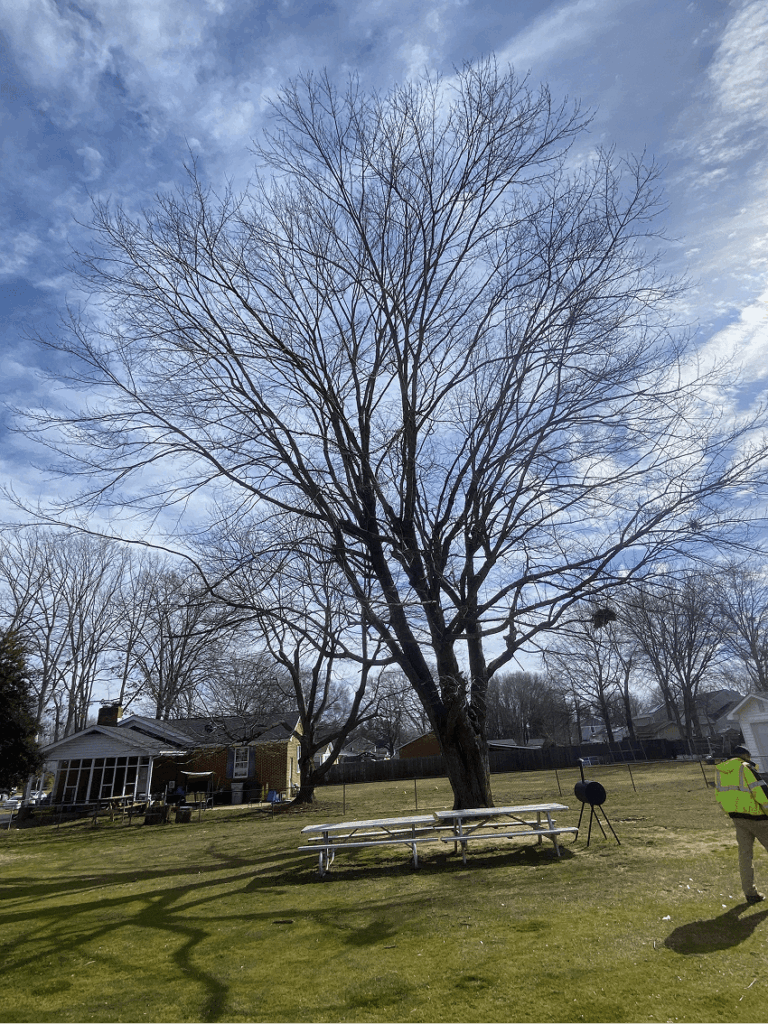
Every Manassas homeowner faces the decision of whether to handle tree trimming themselves or hire professional arborists. The choice involves weighing costs against risks, considering skill requirements, and understanding the long-term consequences of different approaches. Making the wrong decision can result in property damage, personal injury, or permanent harm to valuable trees.
The appeal of DIY tree trimming lies in potential cost savings and the satisfaction of maintaining your own property. However, tree care involves significant technical knowledge, specialized equipment, and safety considerations that many homeowners underestimate. Professional services bring expertise, insurance protection, and proper equipment that may ultimately provide better value than initial cost savings suggest.
Understanding the DIY Approach to Tree Trimming
What DIY Tree Trimming Typically Involves
Most DIY tree trimming focuses on smaller branches that homeowners can reach safely from the ground or with standard household ladders. This work generally includes removing dead twigs, light pruning of shrubs and small ornamental trees, and basic cleanup of storm-damaged branches.
Homeowner tree care often involves seasonal maintenance like removing water sprouts, trimming hedge plants, and clearing small branches from walkways or driveways. These tasks require basic hand tools and can be safely accomplished by property owners with some gardening experience.
DIY efforts typically handle branches under 2-3 inches in diameter that don’t require specialized cutting techniques or equipment. This size limitation keeps most homeowner work within safe parameters while addressing common maintenance needs around residential properties.
Many Manassas homeowners successfully maintain young trees, ornamental plants, and small fruit trees through DIY approaches. These applications work well when trees are small enough to reach safely and when mistakes won’t create significant safety hazards or property damage.
Tools and Equipment Requirements for DIY Work
Basic DIY tree trimming requires hand pruners for branches up to about 3/4 inch diameter, loppers for branches up to 1.5 inches, and a pruning saw for slightly larger branches. These tools cost $50-200 total and handle most small-scale homeowner needs.
Ladder safety becomes a primary concern for any work above ground level. Standard household ladders have height and stability limitations that restrict safe DIY work to lower portions of most mature trees. Proper ladder technique and having someone spot the ladder are necessary safety measures.
Safety equipment including gloves, safety glasses, and hard hats should be used even for small DIY projects. Flying wood chips, falling branches, and sharp tools create injury risks that proper protection can minimize.
Tool maintenance affects both safety and results. Keeping cutting tools sharp produces cleaner cuts that heal better, while dull tools require more force and create ragged wounds that invite disease problems.
Typical DIY Project Scope and Limitations
DIY tree trimming works best for routine maintenance on smaller trees and shrubs rather than major pruning or problem correction. Homeowners can successfully handle annual cleanup, minor shaping, and removal of obviously dead or damaged branches.
Ground-level work or tasks reachable from stable stepladders represent the safest DIY applications. Work requiring extension ladders or climbing introduces significant safety risks that exceed most homeowner comfort and skill levels.
Species selection affects DIY success rates. Simple pruning of hardy species like maples or oaks is more forgiving than working with disease-prone species or trees with specific timing requirements.
Emergency situations like storm damage cleanup often exceed DIY capabilities due to safety hazards from hanging branches, power line proximity, or structural instability. These situations typically require immediate professional assessment and intervention.
Cost Considerations for DIY Tree Care
Initial tool investment for basic DIY tree care ranges from $100-300 depending on quality levels chosen. These tools can last many years with proper maintenance, making the per-project cost relatively low for ongoing maintenance needs.
Time investment varies significantly based on property size and tree populations. Homeowners should realistically assess the time required for proper tree maintenance and whether they have sufficient time to complete work safely and thoroughly.
Hidden costs in DIY work include ladder rental for taller work, disposal fees for large volumes of debris, and potential medical costs from accidents. These expenses can quickly exceed the cost of professional services, especially if accidents occur.
Mistake costs represent the biggest financial risk in DIY tree trimming. Improper pruning can permanently damage valuable mature trees, requiring expensive corrective work or tree removal that far exceeds professional maintenance costs.
Professional Tree Trimming Services in Manassas
What Professional Services Include
Professional tree trimming begins with assessment by certified arborists who evaluate tree health, structural integrity, and specific maintenance needs. This expertise identifies problems that untrained homeowners might miss while developing appropriate treatment plans.
Comprehensive professional services include proper pruning techniques, complete debris removal, and cleanup that leaves properties in better condition than before work began. Professional companies handle all aspects of tree care from initial assessment through final cleanup.
Insurance coverage through professional services protects property owners from liability for accidents or property damage. Professional companies carry general liability and workers’ compensation insurance that covers potential problems during tree work.
Professional equipment allows safe access to all parts of trees while making precise cuts that promote tree health. Specialized tools and techniques produce results that exceed what homeowners can achieve with basic equipment.
Certification and Training Requirements
ISA Certified Arborists have completed extensive training in tree biology, pruning techniques, safety procedures, and disease management. This certification requires passing comprehensive examinations and maintaining continuing education to stay current with industry developments.
Professional tree care companies employ trained crews who understand proper techniques and safety procedures. Even non-certified crew members receive company training that exceeds typical homeowner knowledge levels.
Safety training for professional tree workers covers hazard recognition, proper equipment use, emergency procedures, and accident prevention. This training reduces accident risks significantly compared to untrained DIY attempts.
Ongoing education keeps professional arborists updated on new techniques, disease problems, and safety improvements. This continuing development ensures that professional services reflect current best practices in tree care.
Professional Equipment and Capabilities
Aerial lifts and climbing equipment allow professional access to all parts of trees safely. This equipment enables precise work throughout tree canopies without the limitations and risks associated with ladder use.
Specialized cutting tools including hydraulic pruners and professional-grade chain saws make clean cuts that promote healing while handling branches of any size safely and efficiently.
Rigging systems allow controlled removal of large branches without property damage. Professional rigging techniques can safely lower heavy branches in confined spaces where dropping them would cause damage.
Debris processing equipment including chippers and stump grinders handle complete cleanup and disposal. Professional services can process large volumes of debris efficiently without leaving homeowners with disposal problems.
Service Scope and Specializations
Crown cleaning services remove dead, diseased, and damaged branches throughout tree canopies. Professional assessment identifies problems throughout trees rather than just obvious issues visible from the ground.
Structural pruning for young trees establishes proper growth patterns that prevent future problems. Professional expertise guides tree development during formative years when intervention is most effective and least costly.
Crown reduction and size management require advanced techniques that maintain tree health while achieving size objectives. Professional methods avoid harmful practices like topping that damage trees permanently.
Emergency services respond to storm damage, hazardous conditions, and urgent safety situations. Professional companies maintain equipment and staff availability for emergency responses that exceed DIY capabilities.
Safety Comparison: DIY vs. Professional
Accident Statistics and Risk Factors
Tree care accidents result in thousands of emergency room visits annually, with DIY attempts accounting for a significant portion of serious injuries. Falls from ladders, cuts from power tools, and struck-by injuries from falling branches represent the most common accident types.
Professional tree care companies maintain significantly lower accident rates due to proper training, appropriate equipment, and safety protocols. Professional accident rates are typically 5-10 times lower than DIY attempts for similar work.
Fatality rates in tree care work are among the highest in any industry, making proper training and equipment essential for safe operations. Most fatal accidents involve electrical contact, falls, or being struck by falling objects.
Insurance data shows that DIY tree work accidents often result in more severe injuries than other home maintenance activities due to the heights involved and the weight of falling objects.
Common DIY Safety Hazards
Ladder-related accidents represent the most frequent DIY tree care injuries. Improper ladder placement, overreaching, and unstable positioning cause falls that result in serious injuries.
Power tool injuries from chain saws and other cutting equipment affect many DIY users who lack proper training in tool operation and safety procedures. Chain saw kickback and contact injuries can cause severe cuts and amputations.
Falling branch injuries occur when DIY users fail to properly assess branch weight and falling patterns. Underestimating branch behavior during cutting operations leads to struck-by injuries that can be fatal.
Electrical hazards from power line proximity cause serious injuries and fatalities among DIY tree workers. Many homeowners fail to recognize safe distances from electrical lines or attempt work that should only be performed by trained professionals.
Professional Safety Protocols
Professional tree care follows OSHA safety standards that require specific training, equipment, and procedures. These standards significantly reduce accident risks through mandatory safety practices.
Personal protective equipment requirements for professional work include hard hats, safety glasses, hearing protection, and specialized clothing designed for tree care operations. This equipment prevents many common injuries.
Two-person minimum crews ensure that professional tree work always has backup safety support. Having additional personnel available for emergencies and assistance reduces accident severity when problems occur.
Emergency response procedures and first aid training prepare professional crews for accident situations. Quick response to injuries can prevent minor accidents from becoming serious medical emergencies.
Insurance and Liability Considerations
Homeowner insurance policies may not cover injuries sustained during DIY tree work, leaving property owners responsible for medical expenses and liability claims. Some policies specifically exclude coverage for inherently dangerous activities.
Professional tree services carry comprehensive insurance including general liability and workers’ compensation that protects property owners from accident-related claims. This coverage transfers liability from homeowners to insured professionals.
Property damage from DIY tree work mistakes may not be covered by standard homeowner policies if the damage results from improper techniques or negligent work. Professional services include coverage for property damage caused during tree work.
Legal liability for injuries to neighbors or passersby during DIY tree work remains with property owners. Professional services assume this liability through their insurance coverage and safety protocols.
Cost Analysis: Initial vs. Long-term Expenses
DIY Cost Breakdown
Tool purchases for DIY tree trimming range from $100-500 depending on quality and scope of equipment selected. Basic pruning tools cost less but may require replacement more frequently than professional-grade equipment.
Annual maintenance costs for DIY approaches include tool sharpening, replacement parts, and disposal fees for debris. These ongoing expenses can total $50-150 annually depending on property size and tree populations.
Time investment represents a significant hidden cost in DIY tree care. Homeowners must value their time appropriately when comparing DIY costs to professional services, especially for complex or time-consuming projects.
Safety equipment and first aid supplies add to DIY costs while providing necessary protection. Hard hats, safety glasses, and emergency supplies represent one-time investments that improve safety margins.
Professional Service Pricing
Professional tree trimming costs vary based on tree size, complexity, and specific services required. Basic crown cleaning typically costs $200-800 per tree, while complex structural work may cost $500-2000 or more.
Annual maintenance programs offered by professional companies often provide cost savings compared to individual service calls. These programs spread costs over time while ensuring regular care that prevents larger problems.
Emergency service rates typically cost 50-100% more than scheduled maintenance due to the urgent nature and potential after-hours work requirements. Regular maintenance reduces the likelihood of emergency situations.
Value comparison should consider the total cost of professional services including assessment, work, cleanup, and insurance protection against the true costs of DIY work including time, tools, and risk exposure.
Hidden Costs and Long-term Consequences
Mistake costs in DIY tree work can be substantial when improper techniques damage valuable trees. Mature tree replacement costs can range from $500-5000 or more, far exceeding professional maintenance costs.
Property damage from DIY accidents or mistakes may require expensive repairs that exceed any savings from avoiding professional services. Damage to roofs, vehicles, or landscaping can cost thousands of dollars.
Health care costs from DIY accidents can be catastrophic, especially for serious injuries requiring surgery or extended treatment. Emergency room visits alone often cost more than professional tree services.
Insurance premium increases following DIY accidents or claims may continue for years, creating ongoing costs that exceed short-term savings from avoiding professional services.
Return on Investment Analysis
Professional tree care investments typically return 3-5 times their cost in property value increases and maintenance savings. Well-maintained trees add significant value to residential properties.
Energy savings from properly maintained shade trees can reduce utility costs by hundreds of dollars annually. Professional pruning maintains optimal tree forms for maximum energy benefits.
Storm damage prevention through professional maintenance can save thousands in emergency repairs and cleanup costs. Regular professional care identifies and corrects problems before they become expensive emergencies.
Tree longevity increases significantly with professional care, preserving valuable landscape investments that take decades to replace. The cost of professional maintenance is minimal compared to tree replacement expenses.
When DIY Makes Sense vs. When to Call Professionals
Appropriate DIY Scenarios
Small ornamental trees and shrubs under 8-10 feet tall can often be safely maintained by homeowners with basic tools and knowledge. These applications involve minimal safety risks while providing learning opportunities.
Dead-heading flowers, removing water sprouts, and light pruning of fruit trees represent appropriate DIY maintenance for experienced gardeners. These tasks require basic skills but don’t involve significant safety hazards.
Ground-level cleanup of small branches after storms falls within safe DIY parameters. Homeowners can clear walkways and remove obviously damaged small branches without creating safety risks.
Routine maintenance of hedge plants and small landscape trees can be successfully handled by homeowners who take time to learn proper techniques and use appropriate tools.
Clear Professional Requirements
Trees near power lines require professional attention regardless of the work needed. Electrical hazards make any work near utility lines dangerous for untrained individuals.
Large branches over structures, vehicles, or valuable landscaping exceed safe DIY capabilities. Professional rigging techniques are necessary to remove large branches without causing property damage.
Trees showing signs of disease or structural problems need professional assessment before any work begins. Improper handling of diseased or unstable trees can worsen problems or create safety hazards.
Emergency situations involving fallen trees, hanging branches, or immediate safety threats require professional response with appropriate equipment and expertise.
Gray Area Situations Requiring Careful Consideration
Medium-sized trees that require ladder work create judgment calls about safety and capability. Homeowners must honestly assess their comfort level and skill with ladder operations.
Species-specific requirements may exceed typical homeowner knowledge. Trees with particular timing needs or technical requirements may benefit from professional attention even for seemingly simple work.
Property value considerations may justify professional services even for work homeowners could perform. High-value properties may warrant professional maintenance to protect real estate investments.
Time constraints often make professional services more practical than DIY approaches. Busy homeowners may find professional services more cost-effective when time value is considered.
Making the Decision: Key Evaluation Criteria
Safety assessment should be the primary consideration in DIY vs. professional decisions. Any work involving significant height, large branches, or electrical hazards should be performed by professionals.
Skill and experience levels determine appropriate DIY project scope. Homeowners should honestly evaluate their capabilities and avoid work that exceeds their comfort and knowledge levels.
Time availability affects the practicality of DIY approaches. Complex tree work requires significant time investments that may not be feasible for busy homeowners.
Property value and tree value influence the cost-benefit analysis. Valuable trees and high-end properties often justify professional maintenance to protect investments.
Tree Health and Long-term Consequences
Impact of Improper DIY Techniques
Incorrect pruning cuts can permanently damage trees by interfering with natural healing processes. Flush cuts, stub cuts, and improper timing can create entry points for diseases and insects that compromise tree health.
Over-pruning removes too much live tissue, weakening trees and making them susceptible to stress-related problems. DIY enthusiasts often remove more material than necessary, thinking more pruning provides better results.
Topping and other harmful practices sometimes result from DIY attempts to control tree size. These techniques, while seeming logical to untrained individuals, cause serious long-term damage that may require tree removal.
Species-specific mistakes occur when DIY workers apply generic techniques to trees with particular requirements. Different species have varying tolerance levels and optimal timing that affect long-term health outcomes.
Benefits of Professional Tree Health Management
Scientific pruning techniques used by professionals promote natural healing while achieving maintenance objectives. Certified arborists understand tree biology and apply techniques that work with natural processes.
Disease prevention and early detection through professional assessment catches problems before they become serious. Regular professional maintenance identifies health issues that untrained observers might miss.
Structural development through professional guidance creates strong, attractive trees that resist storm damage and live longer. Early professional intervention prevents problems that would be expensive to correct later.
Integrated pest management by professionals addresses insect and disease problems holistically. Professional services can combine pruning with treatment applications for optimal tree health outcomes.
Long-term Tree Value Protection
Mature tree replacement costs far exceed professional maintenance expenses over time. A single mature oak or maple can be worth thousands of dollars in landscape value, making professional care a wise investment.
Property value enhancement through professional tree care provides returns that exceed service costs. Well-maintained landscapes with healthy trees command higher property values and sell more quickly.
Storm damage prevention through professional maintenance protects both trees and property from expensive emergency situations. Regular professional care identifies and corrects potential hazards before they cause problems.
Longevity extension through proper care maximizes the return on tree investments. Professional maintenance can extend tree lifespans significantly, providing decades of benefits from initial planting investments.
Environmental and Community Impact
Professional tree care supports urban forest health by maintaining trees that provide environmental benefits including air purification, stormwater management, and wildlife habitat.
Community property values benefit when neighborhoods maintain high standards of tree care. Professional maintenance contributes to attractive communities that support everyone’s property values.
Carbon sequestration and environmental benefits increase when trees remain healthy and continue growing. Professional care maximizes these environmental benefits by keeping trees vigorous and long-lived.
Educational opportunities arise when homeowners observe professional techniques and learn proper tree care methods. This knowledge transfer improves overall community tree care standards.
Making the Right Choice for Your Manassas Property
Property Assessment Factors
Tree inventory and condition assessment help determine appropriate maintenance approaches. Properties with many mature trees or valuable specimens often benefit from professional management programs.
Landscape investment levels influence maintenance decisions. High-end landscaping typically warrants professional care to protect significant financial investments in plants and design.
Safety risk evaluation considering proximity to structures, utility lines, and high-traffic areas helps identify situations requiring professional attention. Properties with elevated risk factors benefit from professional expertise.
Homeowner skill and interest levels affect the practicality of DIY approaches. Some property owners enjoy learning tree care skills while others prefer to focus their time and energy elsewhere.
Budget Planning and Value Optimization
Professional maintenance programs often provide better value than individual service calls while ensuring consistent care. Annual contracts can spread costs while providing regular attention that prevents problems.
Preventive maintenance costs less than emergency services and corrective work. Regular professional care prevents expensive situations that result from deferred maintenance.
Insurance considerations may favor professional services that include coverage for accidents and property damage. The liability protection alone may justify professional service costs.
Property improvement budgets should include tree care as an investment in property value and enjoyment. Professional tree care provides returns through enhanced beauty, safety, and property values.
Developing a Long-term Tree Care Strategy
Young tree establishment benefits from professional guidance that sets proper growth patterns. Early professional intervention creates strong, attractive trees that require less maintenance later.
Mature tree preservation requires ongoing professional assessment and care. These valuable landscape assets need expert attention to maintain their health and structural integrity.
Seasonal maintenance scheduling optimizes tree health while managing costs. Professional companies can develop maintenance schedules that address specific needs while working within budget constraints.
Emergency preparedness planning includes relationships with professional services that can respond quickly to storm damage or urgent situations. Established relationships with reputable companies provide peace of mind.
United Tree Care: Your Professional Partner in Manassas
At United Tree Care, we understand that Manassas homeowners want to make informed decisions about their tree care investments. Our ISA Certified Arborists provide the expertise and professional equipment necessary for safe, effective tree maintenance that protects your property values and family safety.
We offer flexible service options that work with your budget and maintenance preferences. From comprehensive annual maintenance programs to specific project services, we tailor our approach to meet your individual needs and goals.
Our professional tree trimming services include:
- Complete safety protocols and insurance protection
- ISA Certified Arborist assessment and recommendations
- Professional-grade equipment for all tree sizes and situations
- Species-specific pruning techniques and optimal timing
- Complete debris removal and property cleanup
- Emergency response services available 24/7
- Preventive maintenance programs that save money long-term
- Property value enhancement through expert care
We serve all Manassas neighborhoods and understand the specific tree species and growing conditions throughout Prince William County. Our local knowledge helps us provide the most effective care for your particular trees and property conditions.
Every service begins with professional assessment that identifies your trees’ specific needs and develops appropriate maintenance plans. We explain our recommendations clearly and work with you to prioritize work within your budget constraints.
Our commitment to safety, quality, and customer satisfaction has built our reputation throughout the Manassas community. We carry comprehensive insurance coverage and maintain the highest professional standards for every project.
Don’t risk your valuable trees and property safety with inadequate DIY approaches. Contact United Tree Care today at (571) 604-6001 to schedule your professional consultation and discover how expert tree care can enhance your property’s beauty, safety, and value.


